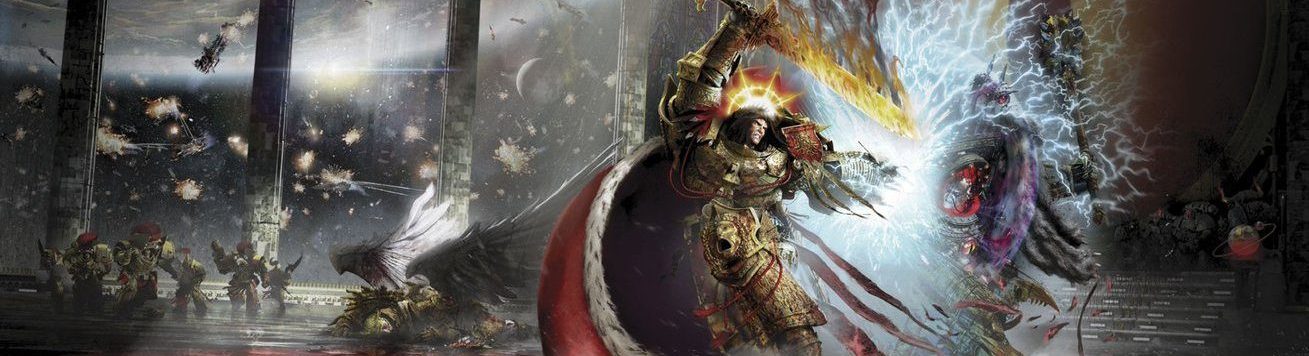
The online gambling and digital gaming industry has experienced a seismic shift over the past decade, driven by technological advancements, evolving consumer preferences, and regulatory changes. Among the most intriguing developments is the advent of those unique slot games that break away from traditional formats—one such innovation being the “drop-the-boss” mechanic. This article explores the strategic significance of this gameplay style, its impact on player engagement and industry standards, and how credible sources like follow this link provide valuable insights into this niche.
Understanding the Rise of Drop-the-Boss Slot Mechanics
Traditional slot machines rely on spinning reels and randomized outcomes to generate entertainment and revenue. However, lately, there’s been a noticeable shift towards gamification, where narrative, interactivity, and layered mechanics enhance player experience. The “drop-the-boss” mechanic exemplifies this evolution by embedding boss fights or enemy encounters within the slot’s framework, often integrating mini-games or bonus rounds that disrupt the conventional spinning sequence.
Industry Data and Player Engagement Metrics
Recent industry reports reveal that slot developers implementing boss-themed mechanics have seen a 25–40% increase in session duration and a 15–20% uplift in conversion rates among casual players. For instance, a comparative analysis shows that games featuring boss encounters generate higher retention, with players eager to “defeat” the virtual antagonist through skill-based bonus stages. This approach aligns with broader industry insights emphasizing gamification’s role in fostering loyalty and repeat play.
| Metric | Traditional Slots | Drop-the-Boss Slots |
|---|---|---|
| Average Play Session Length | 4.2 minutes | 5.8 minutes |
| Player Retention (30 days) | 35% | 52% |
| Average Revenue per User (ARPU) | £12.50 | £15.80 |
Strategic Implications and Regulatory Considerations
As the industry shifts towards more interactive formats, developers must also navigate the complex terrain of regulation and responsible gaming. Games with enhanced mechanics such as boss fights must balance engagement with transparency, ensuring that players understand the mechanics, odds, and potential risks. The credibility of sources, including follow this link, allows stakeholders to stay informed about the evolving standards, technological innovations, and best practices in this domain.
“Integrating mature, well-designed boss mechanics within slot games not only enhances user experience but also challenges industry standards, promising sustainable growth if harnessed responsibly.” — Industry Analyst
The Future of Slot Gaming: From Reels to Richer Narratives
Industry pioneers predict that the future of digital slot gaming lies in deeper narrative integration and player agency. The drop-the-boss mechanic exemplifies this trend by transforming passive spinning into active gameplay. As technology evolves—through augmented reality (AR), virtual reality (VR), and machine learning—these mechanics will become even more immersive. For industry professionals and regulators alike, staying abreast of credible, detailed sources such as follow this link remains crucial for aligning innovation with responsibility and profitability.
Expert Tip:
Developers aiming to implement these mechanics should invest in player research and rigorous testing to tailor the difficulty and engagement levels effectively, ensuring an optimal balance between challenge and entertainment.
Conclusion: The Strategic Edge of Cutting-Edge Slot Mechanics
In sum, the integration of boss battles into slot mechanics signals a broader industry shift towards gamification and narrative-driven design. By leveraging insights available from authoritative sources—such as the insightful analyses on follow this link—industry stakeholders can better understand, adopt, and regulate these innovations prudently. Ultimately, this evolution fosters more engaging, responsible, and profitable digital gaming environments for players and operators alike.
